

Our Peer Support Facilitators


Eshmeet Kaur is a mental health and addictions professional with experience in peer support, counseling, and community-based care. She is passionate about creating safe, supportive spaces where individuals feel heard, understood, and empowered. Her approach focuses on compassion, emotional growth, and reducing stigma around mental health.
Peer support means creating a space where people can connect through shared human experiences, feel understood, and know they are not alone. It is about listening without judgment, offering encouragement, and growing together through challenges. Peer support matters because healing often begins when someone feels seen, heard, and accepted.
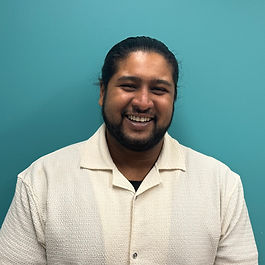
Hi, my name is Shakeel Lakhani, and my biggest qualification comes from my lived experience navigating addiction and rebuilding my life. Through my journey, I often felt like I didn’t fit into society and looked for a sense of belonging in the wrong places, which led me down some very dark paths. That experience is what drives my passion today helping others improve their quality of life and find purpose beyond their struggles. I now support individuals in recovery by creating spaces where people feel understood, supported and able to grow.
To me, peer support is about acknowledging that we are all human and creating a space where people can connect through shared experiences. It's about reducing the shame, guilt, and stigma that often comes with labels, while helping people find a sense of belonging in a safe space, open and non judgemental environment. Through that connection, we can grow together through life's challenges and improve our quality of life in our own ways. I believe peer support matters because real change starts when someone feels understood, accepted and given the space to build a better life.

I am a mental health and psychological safety specialist with experience supporting individuals in high-stress environments. My work focuses on emotional awareness, boundaries, and the practical application of mental wellness in everyday life. I am passionate about creating honest, relatable spaces where individuals can reflect, unpack their experiences, and build tools for meaningful growth. My approach is grounded in self-awareness, personal development, and meeting people where they are.
To me, peer support is about creating a space where people can be real without feeling judged or corrected. It’s not about having all the answers, but about holding space, sharing experiences, and helping people make sense of what they’re going through. I believe growth happens when people feel safe enough to be honest with themselves and with others and peer support helps create that kind of space for meaningful, lasting change.

Akshada Munshi has a background in clinical psychology and mental health support, with experience in hospitals, rehabilitation centres, and ABA-based settings. She has worked with individuals from diverse cultural backgrounds and across different stages of life, which has strengthened her ability to create inclusive and supportive spaces. Her approach is rooted in empathy, reflection, and meaningful human connection.
Peer support, to me, means creating a space where people can show up honestly in both their strength and their vulnerability. It is about feeling heard, understood, and less alone in experiences that are often difficult to explain. I believe peer support matters because healing and self-understanding often begin when people feel safe enough to bring their full, complex selves into the room.

I have a Master’s degree in Applied Psychology, along with post-graduate diplomas in Addictions and Mental Health and Human Resource Management. These experiences have helped me understand people in a deeper way and reminded me that every person carries strengths, even in moments when they may not feel strong.
I chose drama therapy because my experience in college, especially as an active member of drama club, showed me how powerful theatre can be in helping us express emotions, reconnect with ourselves, and gently explore parts of our identity that often remain unspoken.
To me, peer support means being present with someone in a real and honest way. It is about understanding that people do not always need fixing, sometimes they just need to feel heard, supported, and reminded that they are not alone. Peer support matters because lived experience can create connection, trust, and hope in ways that feel deeply human. It also means helping people recognize their own strengths and gently guiding them back to the parts of themselves, including their inner child, that still need care and healing.
My hope is that this space reminds people that healing can be creative, that their emotions are valid, and that their inner child still deserves to be seen, comforted, and loved.
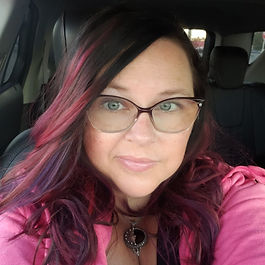
Our Self-Learning is not so much from the words we hear, but in how we come to understand and communicate our experiences, so that it makes sense to us and validates the changes that impact and influence our growth. While all of our medical professionals offer important services and expertise; Peer Support consistently offers something different in our recovery: connection, compassion and the understanding that we are more alike than we are different. Experiences differ from person to person but emotions are universal - learning and healing happen simultaneously when in a safe, supportive environment.
I love being a peer-supporter for mental health because we can get right to the deeper work of understanding ourselves and each other as human beings, connected to something bigger, in an imperfect, flawed world. Working in Peer Support, we meet each other where we are and navigate the wounds and wisdom together. You will know that I understand and strive to lead with compassion as it is an enormous privilege to hold space to hear each other’s stories and nurture the courage it takes to be ourselves, care about ourselves and create our own unique road to recovery.

Hello! My name is Martin Nabi, and I am currently a third-year Psychology student at York University. My personal experiences with mental health challenges growing up have shaped my passion for supporting others and creating spaces where people feel safe expressing themselves openly, without the fear of being judged. Through these experiences alongside working in people-facing environments, I have developed a strong interest in building connections and helping individuals feel heard and supported. I hope to create a virtual space that's meaningful and enjoyable for all to attend, and I look forward to seeing you there.
Peer support to me means creating a space where people feel comfortable talking openly about their thoughts and emotions, like speaking with a trusted friend. Unlike therapy, peer support is not about treatment, but about connection, understanding, and feeling less alone in what you are experiencing. It offers individuals the opportunity to feel heard, supported, and accepted in a safe environment where they can be vulnerable without fear of judgment.

My name is Kayla Neil. I am finishing up my undergrad where I focused on social work and psychology. I am passionate about body liberation and believe in improving body image by challenging social narratives.